

When War Hits the Supply Chain: What Global Conflict Means for Logistics Right Now
At plane 2 sea, we believe in keeping our clients and connections informed about what is happening in the world, not just because it makes for interesting reading, but because what happens on the other side of the globe has a very real way of showing up on your freight invoice, your delivery timeline, and your supply chain planning.
Right now, some of the world’s most critical trade routes and logistics networks are under pressure from ongoing global conflict. And if your business imports or exports anything, this is worth understanding.
WHAT IS HAPPENING?
Global conflict has entered a phase where logistics infrastructure itself has become a strategic target.
Major distribution hubs, fuel depots, and logistics facilities in conflict zones are being disrupted at scale. At the same time, key maritime chokepoints that global trade depends on are under pressure, with vessel traffic significantly reduced on some of the world’s most important shipping routes.
This is not background noise.
It is an active, ongoing disruption to the systems that move goods around the world.
WHY LOGISTICS INFRASTRUCTURE MATTERS IN CONFLICT
To understand why this affects your business, you need to understand what these facilities actually do.
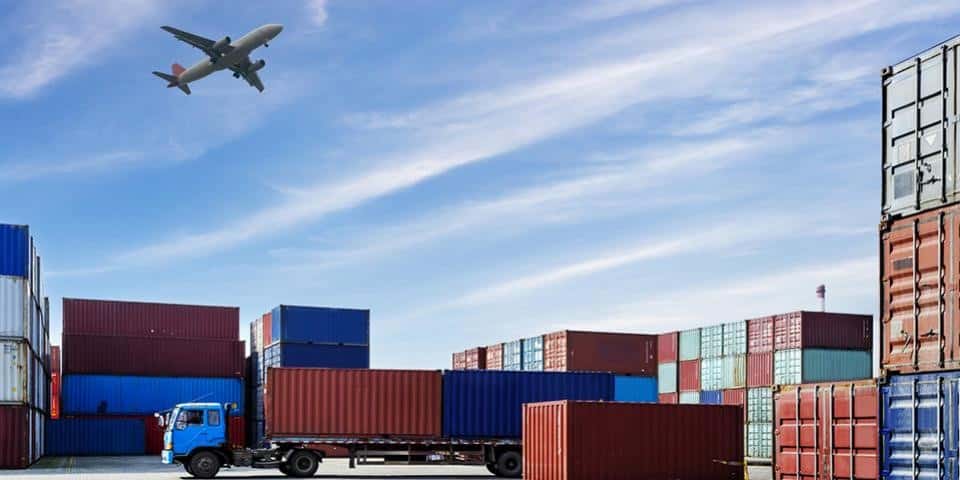
Image Source: [https://www.eusmecentre.org.cn/publications/china-logistics-and-distribution-guide/]
Large-scale logistics hubs handle the storage, sorting, and distribution of goods across entire regions. Fuel depots power the vessels, trucks, and aircraft that keep supply chains moving. When these are disrupted, the effects do not stay contained within the conflict zone.
Vessel capacity gets redirected. Carrier schedules shift. Fuel costs rise. And those ripple effects move through global trade lanes, including the ones that connect Australia to the rest of the world.
CRITICAL SHIPPING ROUTES UNDER PRESSURE
It is not just land-based logistics being affected. Some of the world’s most important maritime routes are also facing significant disruption right now.
Shipping traffic through key straits and sea passages has dropped dramatically in recent months. Vessels that would normally transit the fastest routes are being rerouted via longer alternatives, adding days or weeks to sailing schedules and removing capacity from trade lanes around the world.
When vessels spend longer at sea on alternative routes, that capacity does not come back to service other trades. Australia, even on lanes far removed from active conflict zones, feels the squeeze through tighter equipment and vessel availability everywhere.
TWO PRESSURE POINTS AT THE SAME TIME
What makes the current environment particularly challenging is that multiple major shipping regions are being disrupted simultaneously.
Conflict in Eastern Europe is affecting Black Sea and regional maritime routes. Tensions in the Middle East have disrupted traffic through one of the world’s most critical waterways, the Strait of Hormuz, with the blockade returning in mid-July 2026 after a brief ceasefire.
The combined effect on freight rates, surcharges, transit times, and capacity is real and ongoing. And for Australian importers and exporters, both pressure points matter regardless of where your specific cargo is moving.
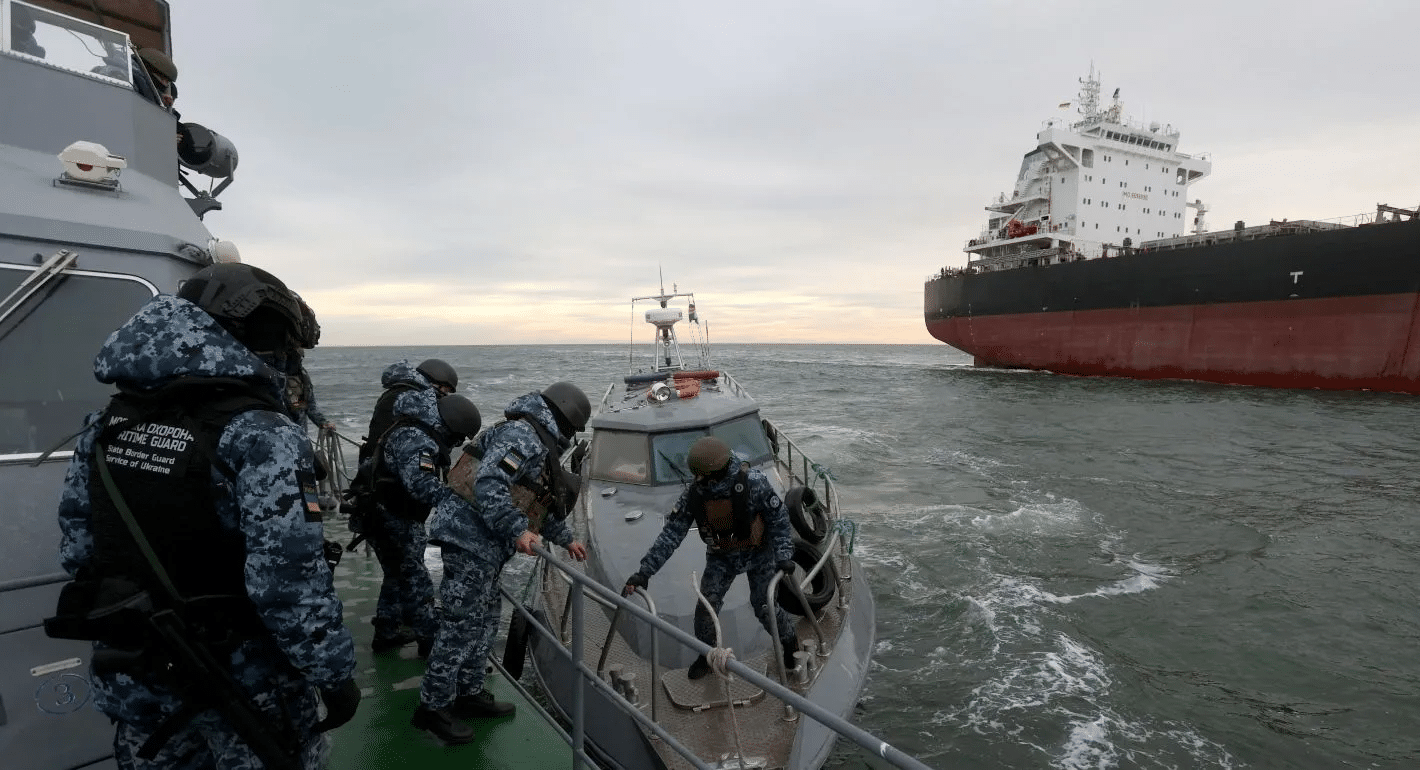
Image Source: carnegieendowment.org
The combined effect on freight rates, surcharges, transit times, and capacity is real and ongoing. And for Australian importers and exporters, both pressure points matter regardless of where your specific cargo is moving.
WHAT THIS MEANS FOR AUSTRALIAN IMPORTERS AND EXPORTERS
If your supply chain touches Europe, Asia, the Middle East, or any trade lane that moves through or around these affected regions, here is what you should be thinking about right now.
Freight rates and surcharges are moving. Emergency fuel surcharges and peak season surcharges are back across major carriers, reviewed weekly. What a quote looks like today may look different next week.
Transit times are extending. Alternative routing adds days or weeks to sailing schedules. If you are working to tight inventory or production deadlines, build in more buffer than you normally would.
Capacity is tightening. Vessel and equipment availability is under pressure across multiple trade lanes simultaneously. Booking early matters more than ever right now.
War risk insurance is worth reviewing. Standard cargo policies typically exclude war risk cover. With the current level of conflict activity across multiple key shipping regions, it is worth checking your policy before your next shipment moves.
Communication with your freight forwarder is essential. In a market that is changing week to week, having a logistics partner who keeps you informed proactively, not reactively, is what separates a smooth shipment from an expensive surprise.
HOW plane 2 sea IS HELPING CLIENTS NAVIGATE THIS
At plane 2 sea, we have been watching these developments closely and working with our clients to plan ahead rather than react.
For 15 years, we have helped Australian businesses move freight by air and sea across the world, and we have seen disruption before. The businesses that come through periods like this best are the ones that plan early, stay informed, and work with a team they can actually get on the phone when something changes.
If you have shipments moving in the coming weeks and months and you want to understand how the current environment affects your specific routes and timelines, we would love to have that conversation with you.
Our team is available 24/7
Phone : (02) 9525 9922
Email : carolina@plane2sea.com.au
Website : www.plane2sea.com.au
Moving the world 2 you.
#plane2sea #GlobalLogistics #FreightForwarding #SupplyChain #GlobalTrade #ImportExport #ShippingNews #LogisticsInsights #AustralianBusiness #SupplyChainDisruption