


It is November, and in freight, that means one thing. The busiest and most unpredictable stretch of the year has officially begun.
Christmas is just under eight weeks away. Right behind it comes Chinese New Year, when much of China’s manufacturing and freight activity slows down or stops completely.
Put those two together and you get a long period of tighter space on ships, higher costs, and delays that catch many businesses off guard.
The good news is that most of these delays are predictable. The businesses that plan early come through with far fewer surprises. This guide explains what is coming, what it means in simple terms, and what you can do about it right now.
WHAT IS ACTUALLY HAPPENING?
Three things are lining up at once.
- The Christmas rush. Retailers and businesses everywhere are trying to get stock in before the holidays. Everyone books freight at the same time, so ships fill up fast and prices tend to rise.
- Chinese New Year. In 2027, Chinese New Year falls on 6 February. The official holiday schedule is usually confirmed later in the year, but factories and suppliers commonly close for one to several weeks around this date. Many begin winding down in January, and some workers do not return until well into February or even March.
- Everything bunching together. When Christmas freight, the January pre-closure rush, and the post-holiday restart all land back to back, the whole supply chain stays stretched for months instead of weeks.
THE SEASON AT A GLANCE
Here is how the next few months typically play out. Think of it as four phases.
November (right now): The Christmas Cut-Off Window This is your last realistic chance to ship goods that need to be on shelves before Christmas. Space on vessels is tightening, and every week you wait means fewer options. If you have stock that still needs to land before the holidays, the time to book is this week, not next.
December: The Peak Ports, warehouses, and trucking companies are at their busiest. Delays at the port and in delivery are common, and many warehouses stop receiving goods in the days before Christmas.
January: The Pre-Chinese New Year Rush Suppliers in China rush to finish orders before they close. Everyone wants their goods shipped before the holiday, so booking space gets difficult and prices often climb.
February and March: The Restart Factories reopen slowly and a backlog of orders is released all at once. Ships and ports take weeks to catch up, so delays can continue well after the holiday itself.
WHAT THIS MEANS FOR YOUR BUSINESS
Here are the most common problems at this time of year, in plain English.
Less space on ships, and higher costs. When demand goes up, carriers (the shipping companies) can raise their prices and add extra charges known as surcharges. A quote that looks fine today may not be the same price next month.
Longer waits at ports. When too many ships arrive at once, containers wait longer to be unloaded, cleared, and collected. Your goods may arrive “on time” on paper but still take extra days or weeks to reach you.
Delays in clearing customs. Customs checks are a normal part of importing, but volumes surge at this time of year. Any missing or incorrect paperwork can hold up your goods for days you cannot afford.
Supplier shutdowns. Around Chinese New Year, suppliers may stop answering emails, stop producing, and stop shipping. If an order is not ready before they close, it simply waits.
Warehouse and delivery slots filling up. Trucks and warehouse receiving times book out fast before Christmas. A container that clears customs may still sit for days waiting for a delivery slot.
Biosecurity requirements. The BMSB (brown marmorated stink bug) season is still in effect until 30 April 2027. For goods from certain countries, this means extra treatment and paperwork before shipping, which adds time at the start of the journey.
YOUR SEASON SURVIVAL GUIDE
Whether you import, export, or manage a supply chain, these steps make the biggest difference.
- Plan your next six months now, not later. Look at your orders from now until April. Mark anything that needs to arrive before Christmas, and anything that needs to be produced before Chinese New Year.
- Talk to your suppliers early. Ask for their exact closing and reopening dates, and their last day of production. Do not rely on the official public holiday dates. Each factory has its own schedule.
- Book earlier than you think you need to. Securing your space on a vessel early gives you better rates and fewer headaches. Waiting until the last minute is the most common and most expensive mistake we see.
- Get your paperwork right the first time. Make sure invoices, packing lists, and any required certificates are accurate and complete before your goods ship. Small mistakes cause big delays at the border.
- Add buffer time. If you normally allow a certain number of weeks from order to delivery, add extra for this season. It is far easier to receive stock early than to explain a late delivery.
- Tell your customers early. A quick heads up about possible delays is always better than a last-minute apology. Your customers will appreciate the honesty.
- Have a backup plan. Ask your freight forwarder what your options are if something goes wrong. Could part of the shipment go by air? Is there another route or service? Knowing this in advance saves time when it matters most.
A QUICK JARGON GUIDE
Here are a few terms you might hear this season, explained simply.
Freight forwarder: The company that organises your shipment from start to finish, so you do not have to deal with every shipping line, port, and agency yourself. That is us.
Carrier: The shipping line or airline that physically moves your goods.
Surcharge: An extra fee added on top of the base freight rate, often during busy periods.
Cut-off: The final deadline to get your goods to the port or terminal so they make it onto a particular vessel.
Rollover: When your container is left behind because the ship is full, and has to wait for the next one.
ETD and ETA: The estimated date your goods leave (ETD) and arrive (ETA). Both can change, especially during peak season.
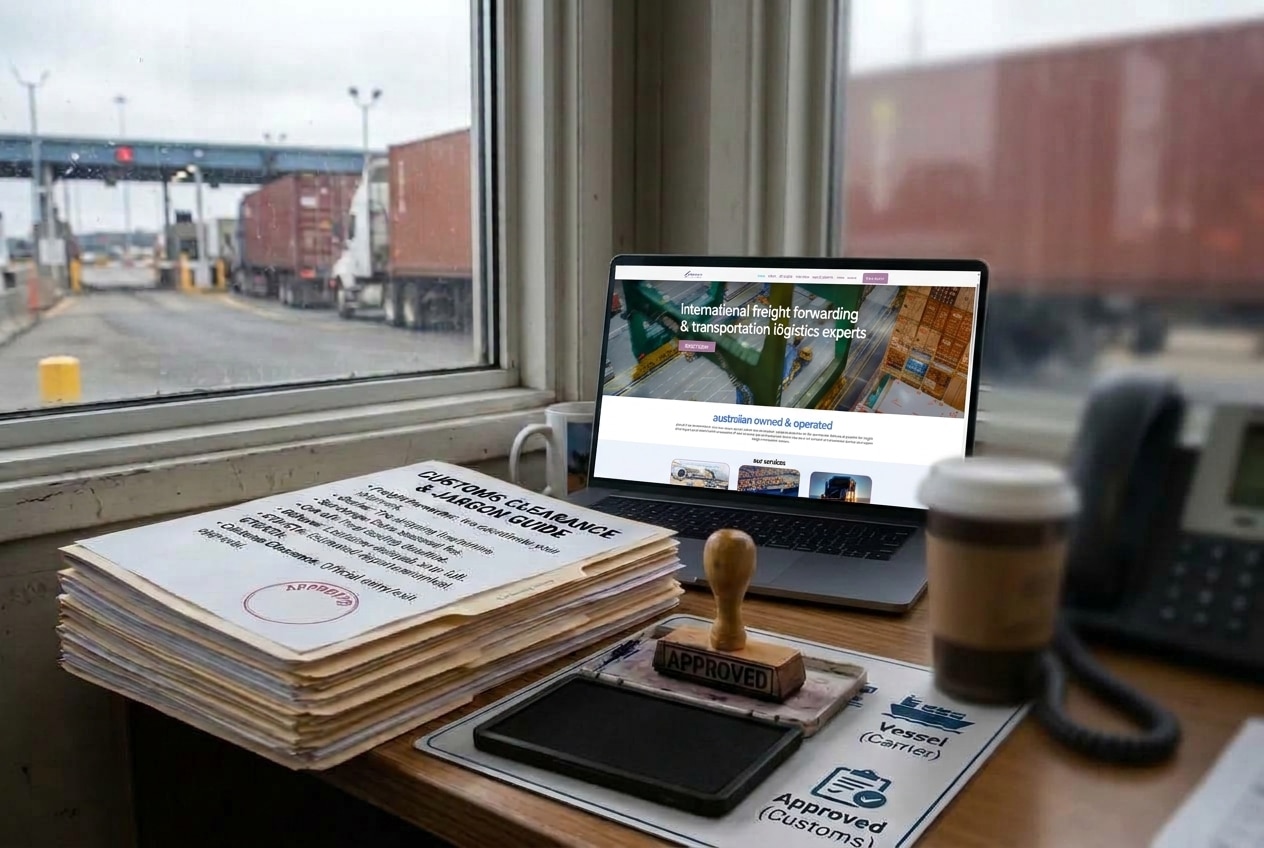
Customs clearance: The process of getting your goods officially approved to enter or leave the country.
HOW plane 2 sea CAN HELP
At plane 2 sea, we have guided Australian businesses through peak seasons and holiday disruptions for over 15 years. We know how this period plays out, and we plan around it with our clients rather than reacting to it.
Here is how we support you:
We plan early with you. We review your upcoming shipments and help you work out what needs to move, and when.
We secure space and manage bookings. We work with our agents and carriers to lock in space before the rush tightens options.
We keep you informed. You get clear, proactive updates when schedules change, instead of finding out when it is too late.
We handle the paperwork. From customs clearance to biosecurity requirements, we help make sure your documents are right the first time.
We look for solutions. If something does not go to plan, we explore alternatives, whether that is a different routing, a different service, or a different timeline.
We are available 24/7. Freight does not stop for business hours, and neither do we.
START THE CONVERSATION NOW
The businesses that plan in November are the ones that enjoy a calm Christmas and a smooth start to the new year. The earlier we talk, the more options we have.
If you have shipments planned between now and March, get in touch with our team today and we will help you map out a plan.
Phone : (02) 9525 9922
Email : carolina@plane2sea.com.au
Website : www.plane2sea.com.au
Moving the world 2 you.
#plane2sea #FreightForwarding #SupplyChain #ImportExport #ChristmasFreight #ChineseNewYear #PeakSeason #AustralianBusiness #LogisticsInsights