

Every year between September and April, Australian biosecurity authorities implement strict seasonal measures to protect our agriculture from one of the most resilient and damaging invasive pests in the world: the Brown Marmorated Stink Bug, or BMSB.
For Australian importers, this is not just a biosecurity matter. It is a logistics matter. And the businesses that prepare early are the ones whose cargo keeps moving smoothly through the season.
The 2026/2027 BMSB season runs from 1 September 2026 to 30 April 2027.
Here is everything you need to know.
WHAT IS THE BROWN MARMORATED STINK BUG?
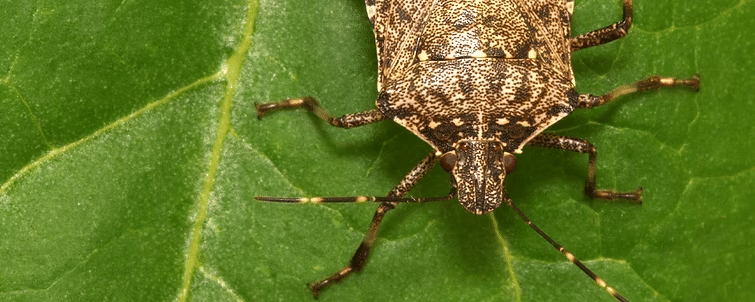
The Brown Marmorated Stink Bug is an invasive pest native to parts of Asia that has spread across North America and Europe, causing significant damage to agricultural crops, orchards, and vineyards wherever it has established itself.
Australia does not currently have an established BMSB population, and the Department of Agriculture, Fisheries and Forestry (DAFF) is determined to keep it that way.
BMSB is particularly difficult to detect and control because it is an excellent hitchhiker. It is drawn to warmth and shelter, which makes shipping containers, machinery, vehicles, and manufactured goods common pathways for unintentional import.
The consequences of BMSB establishing in Australia would be severe for our agricultural sector, which is why biosecurity authorities treat this seasonal risk so seriously.
HOW DOES THE SEASONAL MEASURE WORK?
Each year, DAFF implements a seasonal measure that applies to goods imported from countries where BMSB is known to be present. The measure runs during the Northern Hemisphere autumn and winter months, which is when BMSB is most likely to seek shelter in cargo and shipping containers.
During the 2026/2027 season, from 1 September 2026 to 30 April 2027, goods arriving from high-risk countries will be subject to mandatory biosecurity requirements before they can enter Australia.
These requirements exist to ensure that any BMSB present in or on cargo is detected and treated before it can establish in our environment.
WHICH COUNTRIES ARE CONSIDERED HIGH RISK?
DAFF publishes and updates the list of target risk countries each season. Historically this has included countries across Europe, North America, and parts of Asia where BMSB populations are established.
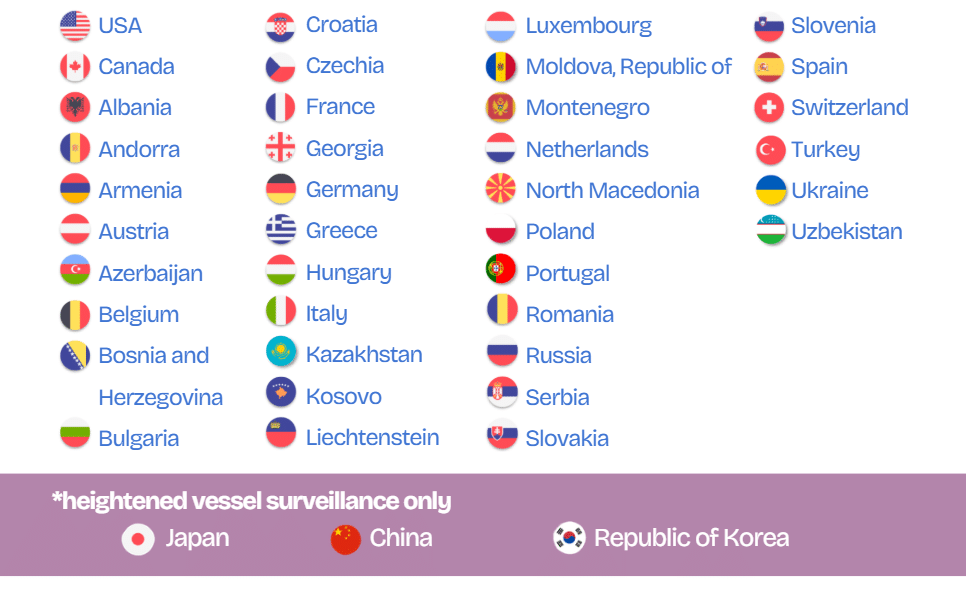
Countries and commodities affected | plane 2 sea International 2026
If you are importing goods from any of these regions, your cargo may be subject to the seasonal measure requirements. We strongly recommend checking the current DAFF target risk country list before your next shipment and speaking with your freight forwarder about how the requirements apply to your specific cargo.
WHAT ARE THE REQUIREMENTS?
Depending on the origin country, the type of goods, and how and where they were treated or manufactured, your cargo may be subject to one or more of the following:
Offshore treatment before shipping. Certain goods must be treated for BMSB before they leave the country of origin. This treatment must be conducted by an approved provider and supported by a valid treatment certificate that accompanies the shipment.
Onshore inspection on arrival. Some goods may be subject to inspection by Australian biosecurity officers upon arrival. If BMSB or signs of BMSB are detected, the cargo may be subject to treatment, re-export, or destruction.
Treatment certificates and documentation. Proper documentation is essential. Missing, incorrect, or expired treatment certificates can result in your cargo being held at the border, treated at your cost, or refused entry entirely.
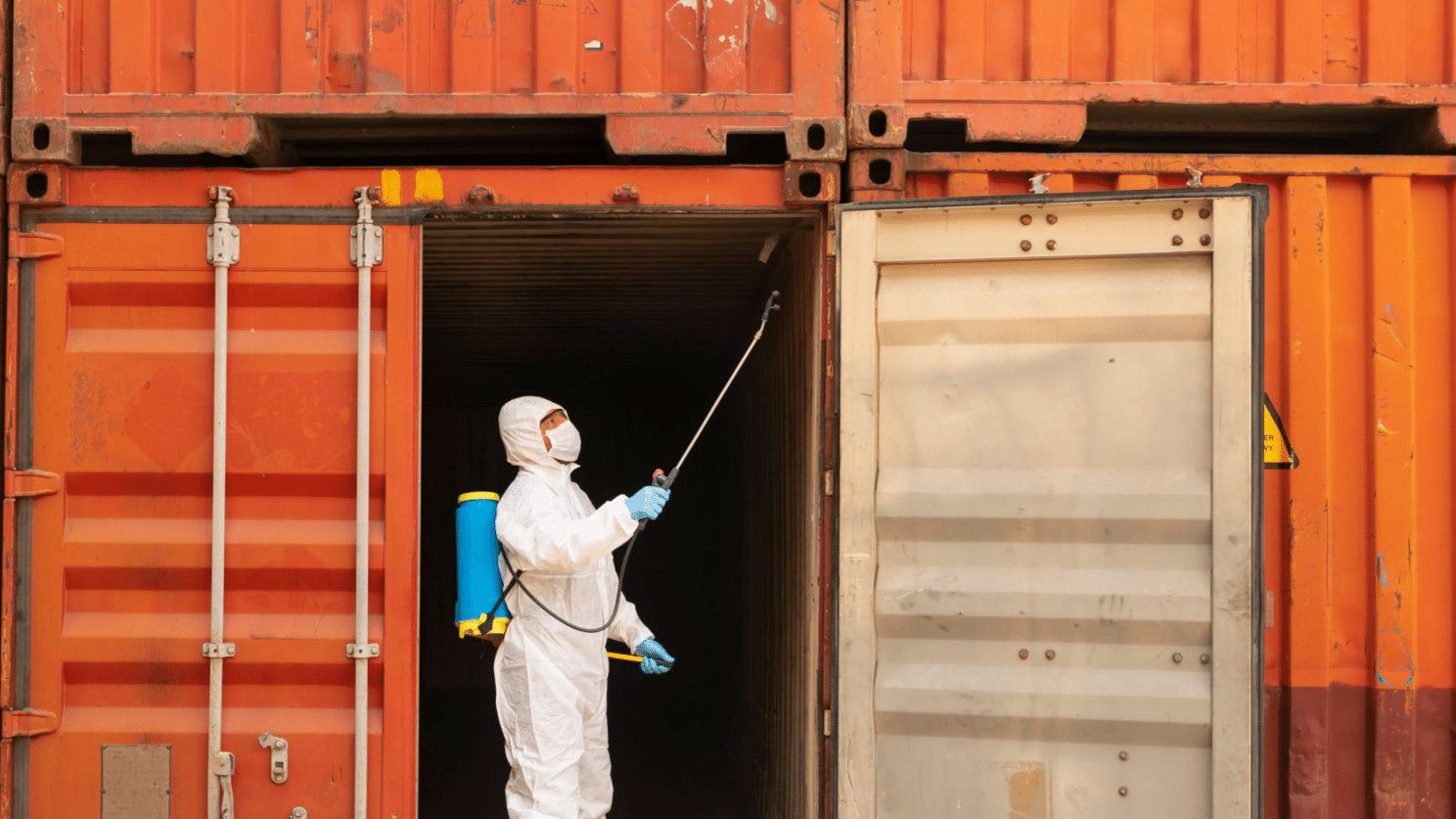
Source: Greater Pest Control | Dec 07, 2024
The specific requirements for your cargo will depend on the goods you are importing, the country of origin, and how the goods were packed and transported. This is why working closely with an experienced freight forwarder during BMSB season is so important.
WHAT HAPPENS IF YOU ARE NOT COMPLIANT?
Non-compliance with BMSB seasonal measures is not a minor inconvenience.
The consequences can include:
- Cargo held at the border pending inspection or treatment
- Mandatory treatment arranged and charged at the importer’s expense
- Significant delays to your supply chain and delivery timelines
- In serious cases, re-export or destruction of goods
- Additional costs that were not factored into your original freight budget
For businesses that rely on tight inventory schedules or time-sensitive deliveries, a biosecurity hold at the border can have a serious flow-on effect across their entire operation.
HOW TO PREPARE BEFORE SEPTEMBER
The best thing any importer can do right now is start the conversation early.
Here is what we recommend:
Review your import schedule. If you have shipments planned between September 2026 and April 2027 from any high-risk country, flag them now and discuss the BMSB requirements with your freight forwarder before the goods are packed or shipped.
Confirm your suppliers are using approved treatment providers. Offshore treatment needs to be carried out by DAFF-approved providers. Confirm this with your supplier well before the shipment is due to leave.
Check your documentation requirements. Make sure the correct treatment certificates will accompany your cargo. Your freight forwarder can help you understand exactly what documentation is required for your specific goods.
Build extra lead time into your schedule. Treatment and inspection processes take time. Factor this into your delivery timelines so you are not caught short on inventory while your cargo waits at the border.
Talk to your freight forwarder. The requirements can vary significantly depending on your cargo type and origin. An experienced freight forwarder who knows the BMSB seasonal measure well can save you significant time, cost, and stress.
HOW plane 2 sea CAN HELP

Carolina & Anthony | plane 2 sea International 2026
At plane 2 sea, we have been helping Australian businesses navigate BMSB season for years. We understand the documentation requirements, the treatment protocols, and the compliance processes that keep cargo moving smoothly through what can be a complex and high-stakes period for importers.
If you have shipments planned during the 2026/2027 season and you want to make sure you are fully prepared, our team is ready to help.
Do not wait until September to start the conversation. The earlier you plan, the smoother it goes.
Phone : (02) 9525 9922
Email : carolina@plane2sea.com.au
Website : www.plane2sea.com.au
Moving the world 2 you.
#plane2sea #BMSB #Biosecurity #ImportCompliance #FreightForwarding #ImportExport #AustralianBiosecurity #SupplyChain #AgricultureProtection